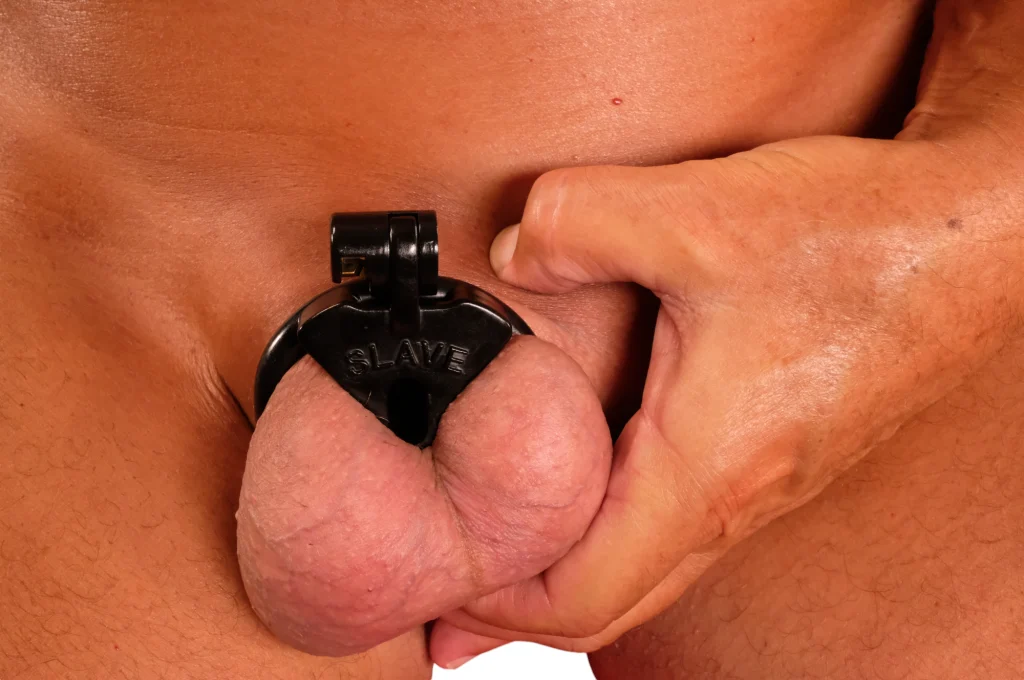
Understanding Male Chastity: A Detailed Guide to Desire, Discipline, Trust, and Exploration
Male chastity is a practice, lifestyle, or relationship dynamic in which a man voluntarily gives up direct control over his sexual release—most often through psychological commitment, behavioral rules, or the use of a chastity device such as a cage or belt. While it is often misunderstood from the outside, male chastity can mean very different things to different people: for some it is erotic, for others emotional, psychological, or deeply relational.
At its core, male chastity is about control, anticipation, and intentionality.
What Is Male Chastity?
Male chastity generally refers to restricting orgasm, sexual stimulation, or access to the genitals for a period of time. This can range from:
Short-term chastity
- A few hours or days
- Often used as playful experimentation
- Can heighten anticipation and arousal
Medium-term chastity
- Weeks or months
- Often tied to relationship dynamics, discipline, or kink exploration
Long-term chastity lifestyle
- Ongoing or permanent power exchange
- May involve a keyholder partner controlling release
- Can become part of identity, routine, or emotional bonding
For some, chastity is purely about orgasm denial. For others, it includes physical lockup through cages or belts that prevent erection, masturbation, or intercourse.
Why Are Men Interested in Chastity?
The reasons are highly personal and often layered.
1. Erotic Anticipation
One of the biggest attractions is the psychological build-up. Denial can intensify desire, making even small moments of intimacy feel powerful.
Many men describe:
- Heightened arousal
- Stronger sensitivity
- Mental focus on intimacy
- More powerful orgasms after release
2. Submission and Power Exchange
For men interested in dominance/submission dynamics, chastity can symbolize surrendering control.
This may involve:
- A partner as “keyholder”
- Rules around behavior
- Reward and punishment structures
- Emotional vulnerability
For many, the excitement is not just physical denial—it’s the mental experience of giving someone trusted authority.
3. Relationship Bonding
Some couples use chastity as a trust-building tool.
Possible goals:
- Reducing compulsive masturbation
- Increasing attentiveness to a partner
- Exploring communication
- Deepening intimacy through mutual agreements
In these cases, chastity can become less about kink and more about intentional connection.
4. Personal Discipline
Some men use chastity for self-control, similar to abstinence or behavioral reset practices.
This may include:
- Porn reduction
- Breaking habits
- Focus on fitness or productivity
- Spiritual or personal discipline
For these users, chastity may function more like structured self-restraint than erotic roleplay.
Common Types of Male Chastity Devices
Physical chastity often involves devices designed to prevent sexual activity.
Chastity Cages
The most common style:
- Usually worn around the penis and behind the testicles
- Made from silicone, plastic, resin, or metal
- Restricts erection and direct stimulation
Chastity Belts
More elaborate:
- Covers more of the genital area
- Can be more secure
- Often associated with longer-term wear
Custom Devices
Some advanced users choose:
- Anatomical designs
- Specialty shapes
- Gender-expression or feminization elements
- Medical-grade materials
Comfort, hygiene, and fit are essential. Beginners should prioritize safety over appearance.
The Psychology of Denial
A major part of chastity is mental.
Anticipation
Delayed gratification often creates:
- Increased longing
- Emotional dependence
- Heightened awareness
Surrender
Giving up sexual autonomy can feel:
- Liberating
- Humbling
- Exciting
- Emotionally intense
Obedience and Ritual
Rules and routines can create structure:
- Permission before orgasm
- Daily check-ins
- Behavioral expectations
For some, this structure becomes deeply meaningful.
Chastity in Relationships
Communication is everything.
Healthy chastity relationships often include:
- Consent
- Clear boundaries
- Safe words
- Hygiene planning
- Emotional check-ins
A partner acting as keyholder should understand:
- Physical safety
- Emotional responsibility
- Trust dynamics
- Limits
Without communication, chastity can become frustrating or harmful. With trust, it can become a profound shared experience.
Beginner Tips for Exploring Male Chastity
Start Slowly
Begin with:
- A few hours
- Overnight
- Weekend experimentation
Avoid jumping immediately into extended lockup.
Focus on Fit
A poor fit can cause:
- Pinching
- Numbness
- Skin irritation
- Circulation issues
Prioritize Hygiene
Regular cleaning is critical, especially for longer wear.
Communicate
If involving a partner:
- Discuss goals
- Define expectations
- Be honest about discomfort
Myths About Male Chastity
“It’s only for extreme kink.”
False. Many people use chastity casually, romantically, or for discipline.
“It means weakness.”
Not necessarily. For many, it’s a deliberate expression of control through surrender.
“It’s always sexual.”
Not always. Some practice chastity for personal growth or habit management.
Emotional Realities
Male chastity can produce:
- Excitement
- Frustration
- Pride
- Vulnerability
- Obsession
- Emotional closeness
Like many forms of intimacy, it can amplify what is already there—whether that’s trust, insecurity, desire, or curiosity.
Potential Risks
Chastity should always be approached responsibly.
Watch for:
- Poor circulation
- Skin breakdown
- Emotional distress
- Coercion
- Unrealistic expectations
If pain, numbness, or injury occurs, remove the device immediately.
Is Male Chastity Right for Everyone?
No—and that’s okay.
Some people love:
- Control
- Denial
- Ritual
- Submission
Others may find it uncomfortable, emotionally difficult, or simply uninteresting.
The key is informed, consensual exploration.
Final Thoughts
Male chastity is far more than a device or fetish. It can be:
- A form of erotic play
- A relationship dynamic
- A discipline practice
- A trust exercise
- A personal journey
For those who explore it thoughtfully, chastity can reveal surprising things about desire, self-control, intimacy, and the mind-body connection.
Ultimately, understanding male chastity means understanding that sexuality is not always about immediate gratification—sometimes, for some people, the power lies in waiting.