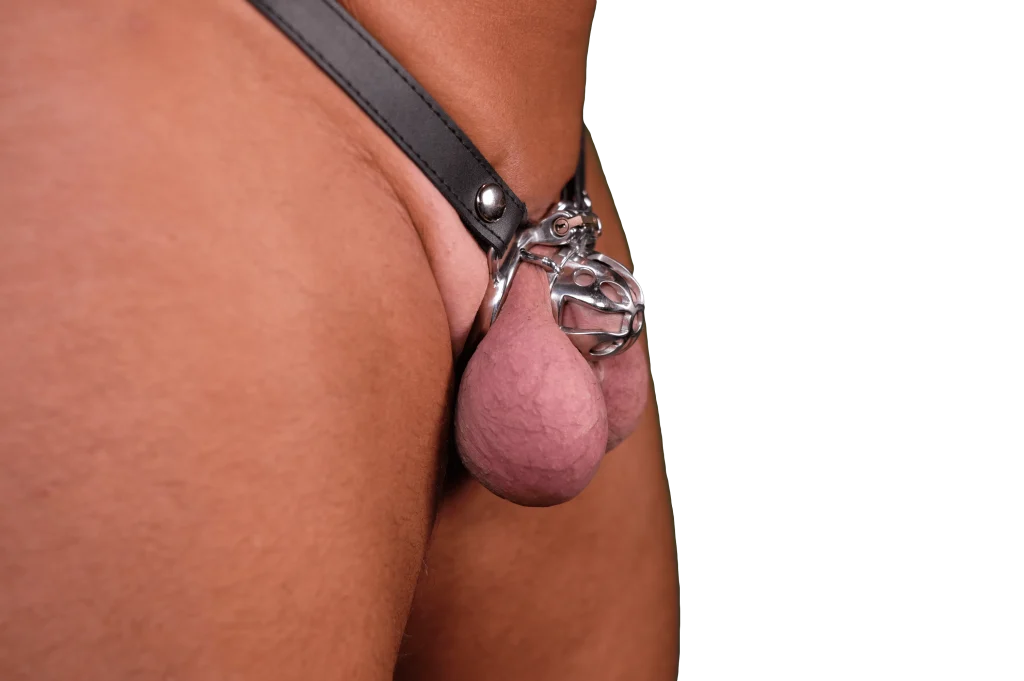
Male Chastity: A Detailed Overview
Male chastity is a practice that has gained increasing visibility in recent years, especially within discussions of relationships, power dynamics, and sexual exploration. While it may seem niche at first glance, it spans a wide range of motivations—from curiosity and intimacy-building to structured lifestyle choices. This article breaks down what male chastity is, how people get into it, how it is practiced, and why it appeals to many.
What Is Male Chastity?
At its core, male chastity involves the restriction of a person’s ability to engage in sexual stimulation—typically through the use of a device that prevents erection, touching, or orgasm. These devices are often worn over the genitals and may be secured with a lock, symbolizing a transfer of control.
However, the concept goes beyond the physical. For many, chastity is psychological and relational. It can involve:
- Control over when or if sexual release is allowed
- A structured dynamic between partners
- A shift in focus from self-pleasure to emotional or partner-oriented intimacy
How People Get Into Male Chastity
1. Curiosity and Exploration
Many people first encounter chastity through online discussions, forums, or adult lifestyle content. The idea of surrendering control—or having control—can be intriguing, especially for those already exploring dominance and submission dynamics.
2. Relationship Experimentation
Couples may introduce chastity as a way to:
- Add novelty to their intimacy
- Build anticipation and excitement
- Explore trust and communication
Often, it begins casually—short periods of restriction or playful agreements—before evolving into something more structured.
3. Personal Desire for Control or Discipline
Some individuals are drawn to chastity for personal reasons, including:
- Reducing compulsive sexual habits
- Increasing focus on other areas of life
- Experiencing a sense of restraint or discipline
4. Identity and Role Exploration
For others, chastity becomes part of a broader identity or lifestyle, sometimes connected to submission, feminization, or role-based dynamics within a relationship.
How Male Chastity Is Practiced
1. Devices and Physical Practice
Chastity devices are typically designed to:
- Prevent full erection
- Restrict direct contact
- Be worn discreetly under clothing
They vary in design, material, and comfort level. Beginners often start with shorter wear times before gradually increasing duration.
2. Keyholding Dynamics
A common aspect of chastity is the idea of a “keyholder”—a partner who controls access to the device. This dynamic can range from playful to deeply structured.
The keyholder may:
- Decide when release is allowed
- Set rules or expectations
- Reinforce the emotional or psychological aspect of control
3. Timeframes
Chastity can be practiced in different ways:
- Short-term: A few hours or days for novelty or play
- Medium-term: Weeks, often tied to relationship dynamics
- Long-term: Ongoing lifestyle choice with structured rules
4. Rules and Agreements
Clear communication is essential. Many participants establish:
- Boundaries and limits
- Safe words or exit conditions
- Expectations around behavior and rewards
This ensures the experience remains consensual and positive.
Why People Practice Male Chastity
1. Enhanced Intimacy
One of the most commonly cited benefits is improved emotional closeness. By removing or limiting sexual release, individuals often report:
- Increased focus on their partner
- More affectionate, non-sexual intimacy
- Heightened anticipation and desire
2. Power Exchange and Trust
Chastity can reinforce a dynamic where one partner holds authority and the other submits. This can deepen trust when practiced consensually and respectfully.
3. Heightened Arousal Through Denial
Paradoxically, restriction can intensify desire. The anticipation of eventual release—or the uncertainty of it—can create a heightened emotional and physical response.
4. Behavioral Focus
Some individuals use chastity as a tool for:
- Improving discipline
- Redirecting energy into productivity or fitness
- Breaking habits tied to excessive self-stimulation
5. Exploration of Identity
For those exploring gender expression or submissive roles, chastity can become part of a broader journey of self-discovery.
Psychological and Emotional Aspects
Male chastity is as much mental as it is physical. Participants often describe:
- A sense of surrender or relief from decision-making
- Increased awareness of their desires
- Emotional highs tied to anticipation and control
At the same time, it requires careful attention to emotional well-being. Open communication and mutual respect are essential to ensure the experience remains healthy.
Safety and Responsibility
Practicing chastity safely is crucial. Key considerations include:
- Proper hygiene and regular device removal if needed
- Avoiding devices that cause pain or restrict circulation
- Establishing clear consent and boundaries
- Ensuring easy removal in case of emergency
No one should feel pressured into chastity—it should always be voluntary and mutually agreed upon.
Final Thoughts
Male chastity is a multifaceted practice that blends physical restraint with psychological dynamics. Whether approached as a form of playful exploration, a relationship tool, or a structured lifestyle, its appeal lies in the interplay of control, trust, and anticipation.
For many, it becomes less about restriction and more about connection—offering a unique way to explore intimacy, identity, and personal boundaries in a consensual and thoughtful way.